Visual Food Math: Teaching Kindergarten Addition with Object Counting
Before symbols make sense, children need to see the maths. Here's how to use food, objects and picture addition to teach sums that stick.
Get the free printable worksheet pack for this lesson
Kindergarten Picture Addition & Object Counting Worksheets
"3 + 2" means nothing to a five-year-old until they have physically pushed three strawberries next to two strawberries and counted the pile.
Start concrete, then pictorial, then abstract
This is the CPA sequence teachers use, and skipping a stage is the number one reason addition "won't stick".
- Concrete — real objects your child can move
- Pictorial — pictures of objects on paper
- Abstract — numerals and the + symbol
Step 1: Snack-plate sums
Two groups of food on one plate. Ask: "How many altogether?" Say the sentence out loud — "three and two make five" — before writing anything.
Step 2: Picture addition worksheets
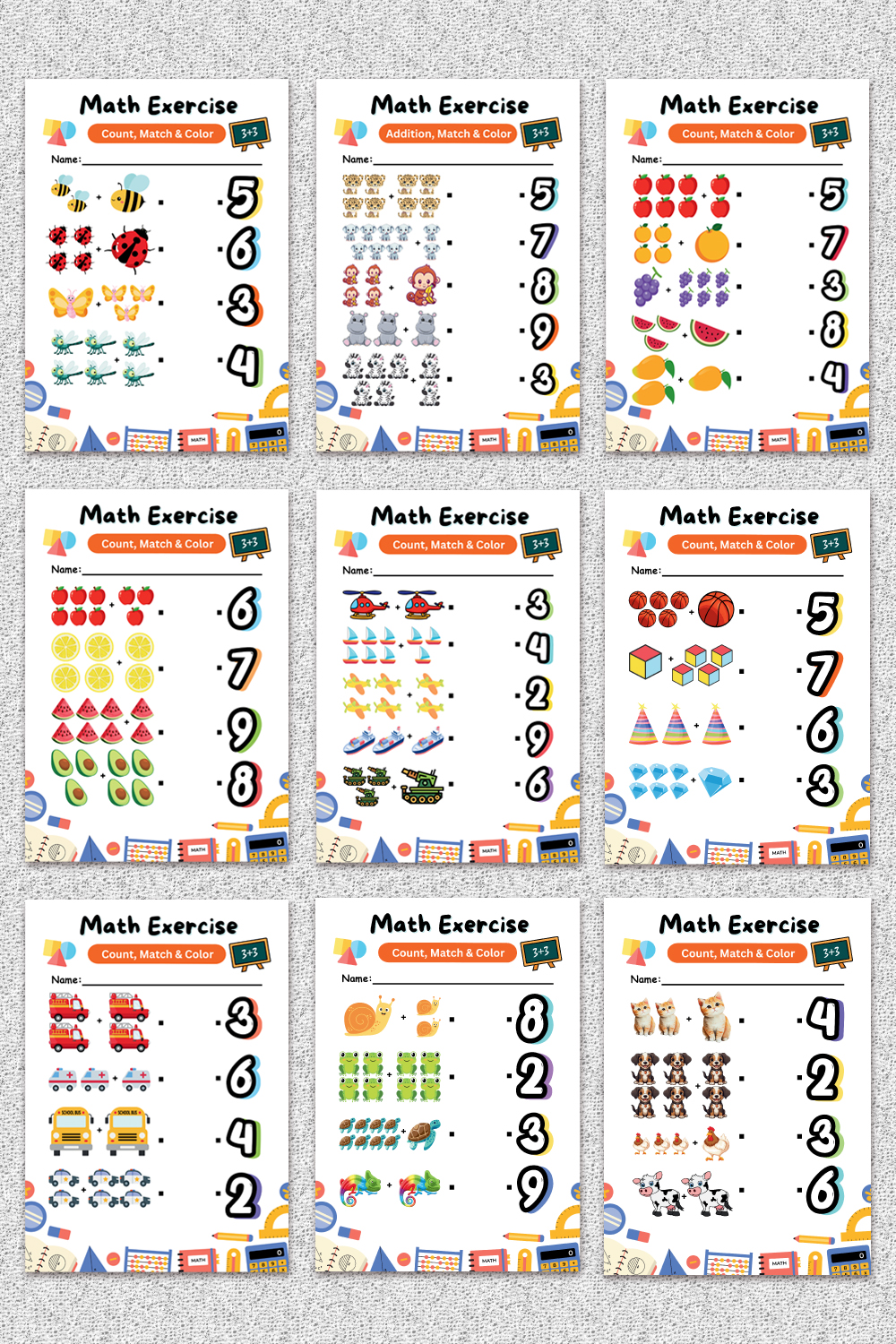
Picture addition pages carry the child from plate to paper. Each sum shows countable objects above the numerals, so they can always check themselves.
- Encourage counting on ("fiiive… six, seven") rather than restarting at 1
- Ask them to circle the bigger group first
- Two pages a day is plenty
Step 3: Drop the pictures
Once they answer picture sums quickly, cover the images and see if the numerals alone are enough. If not, uncover — no drama, just more time in stage two.
Signs your child is ready to move on
- Counts on from the larger number
- Recognises 5 + 0 and 0 + 5 without counting
- Explains their answer in words
Print a picture-addition pack, keep it on the kitchen table, and do two sums with breakfast. That is the whole programme.
Join the Annual VIP Club
Unlock the entire Pre-K to 1st Grade library — new printables every week, unlimited downloads.
See VIP pricing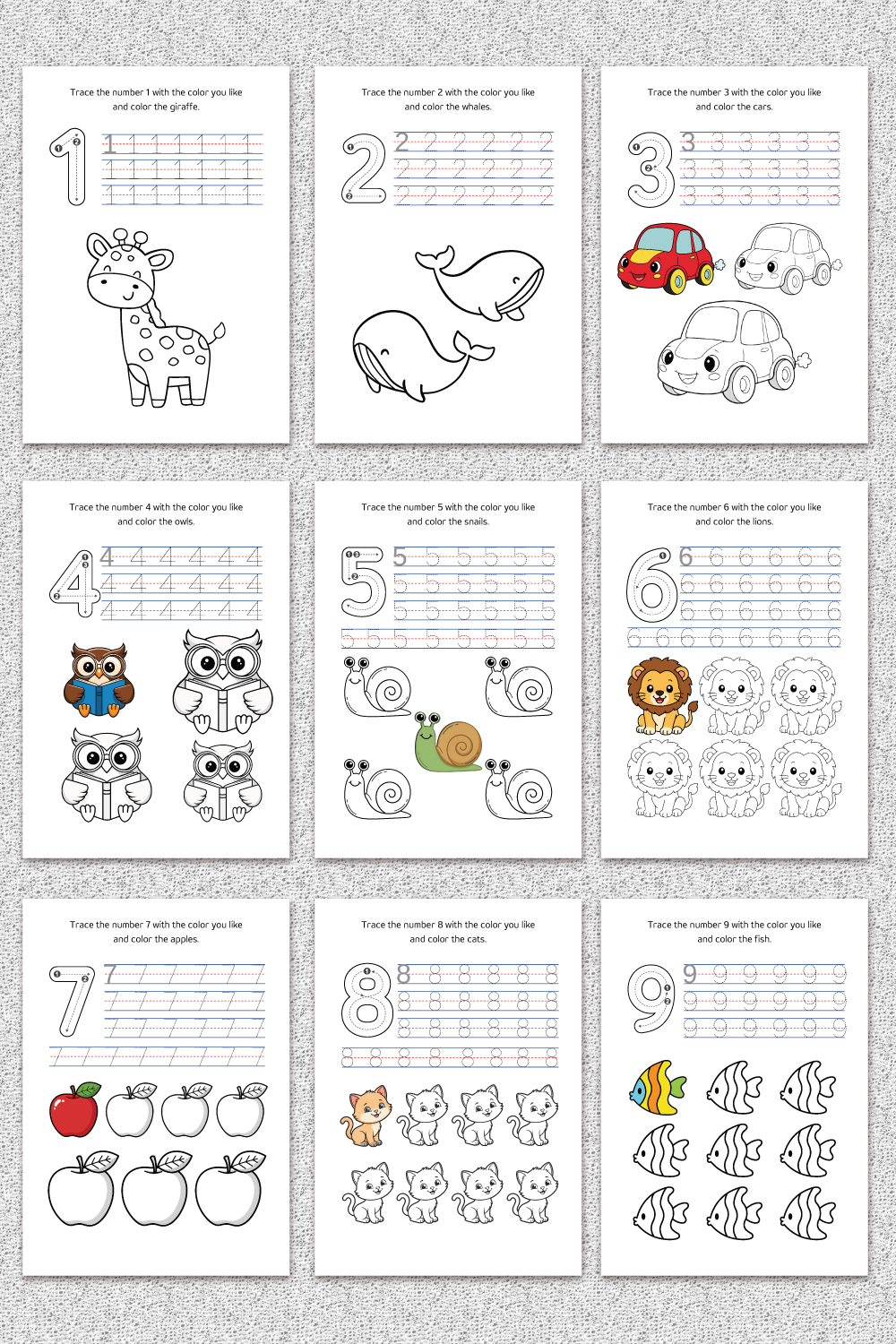
![[Free Sample] Alphabet Handwriting: Letters A–C Tracing Pack](https://fqpafdvujhmbrwvvhguw.supabase.co/storage/v1/object/public/covers/alphabet-handwriting-tracing-master-a-z-cover.jpg)